
The complete guide
Choosing a 1000 Piece National Parks Jigsaw Puzzle
A hands-on project for time indoors
It can be hard to find an indoor activity that you can begin without having to finish in one sitting. A jigsaw gives you a clear task, but lets you decide the pace. You can sort a few pieces, work on one section or stay with it for a longer session.
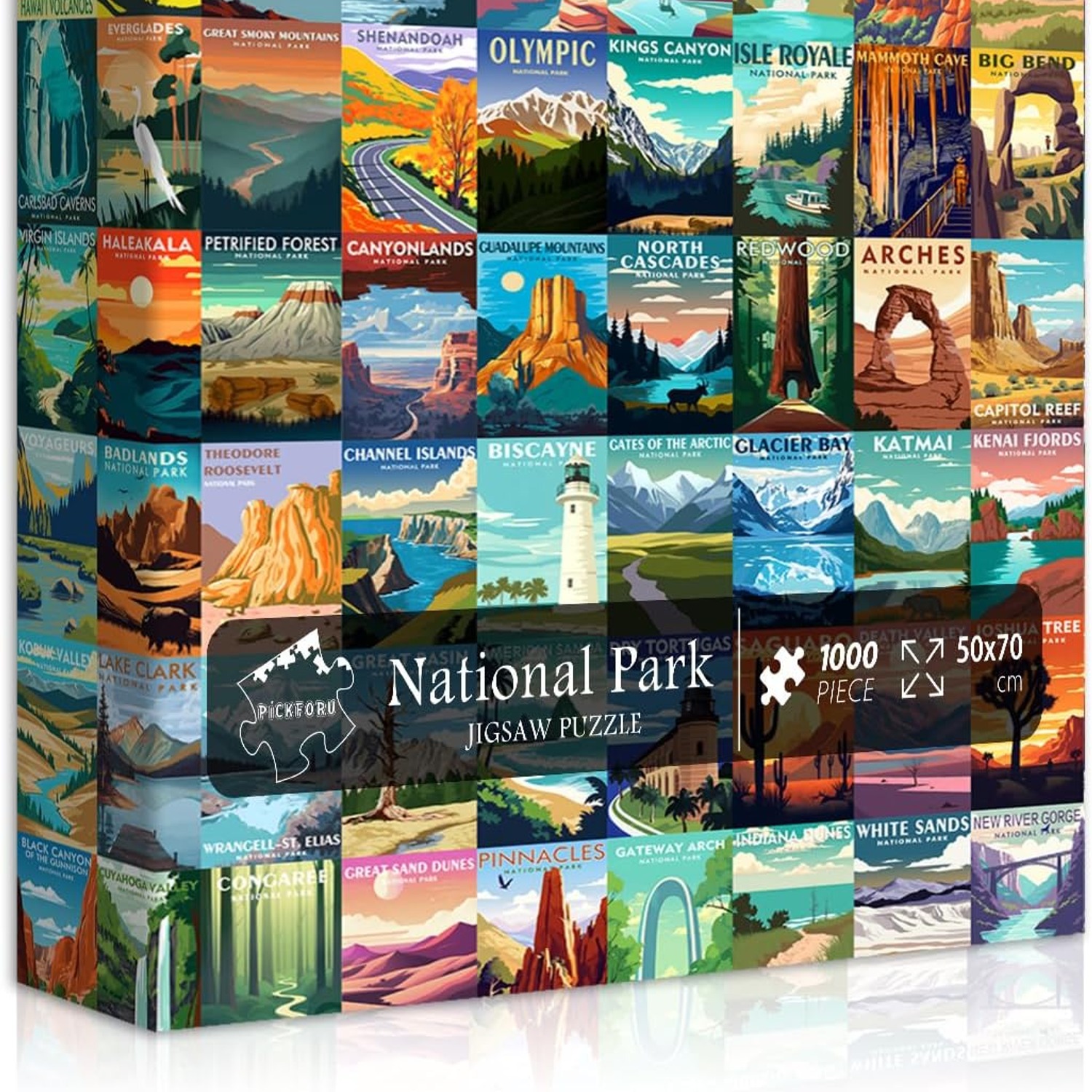
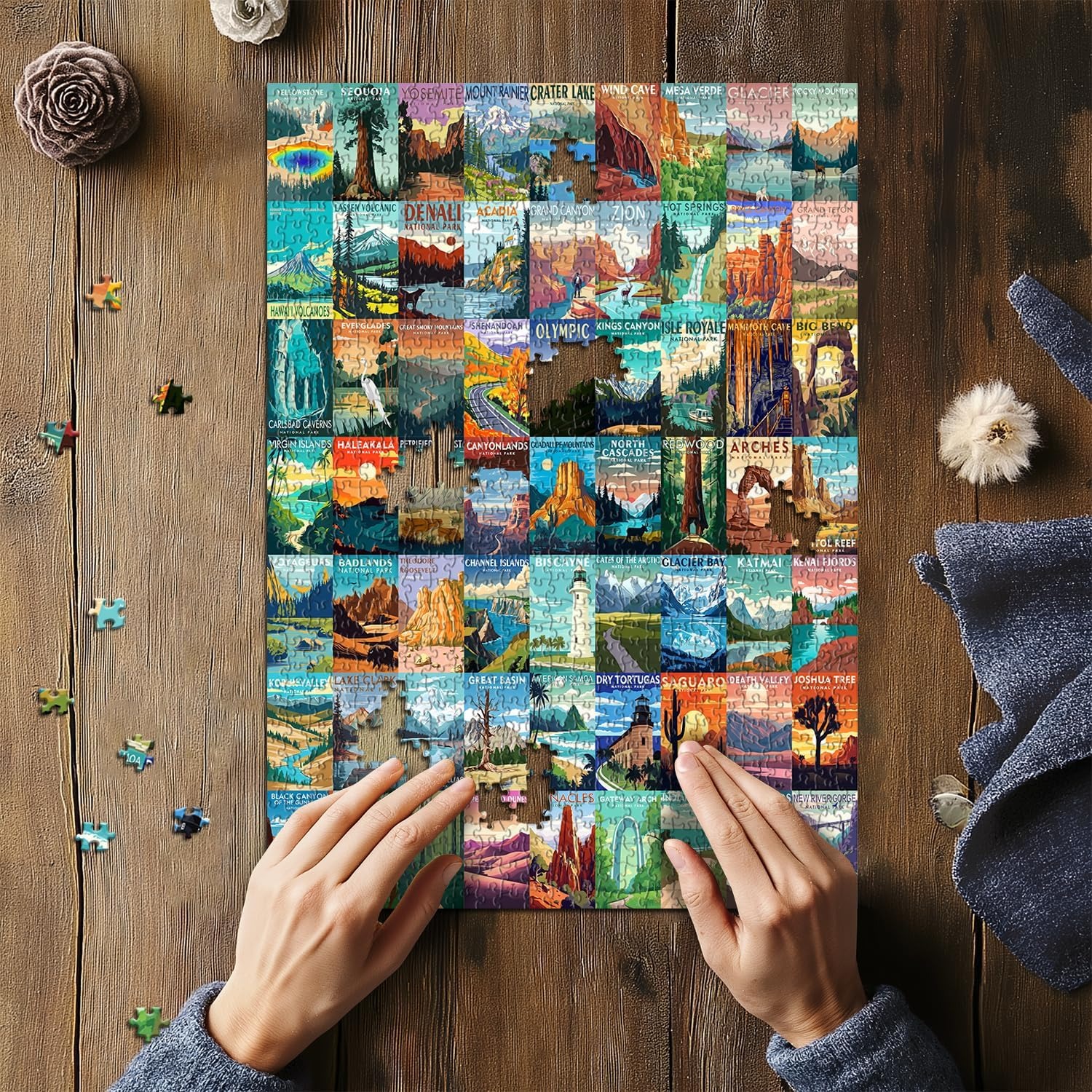
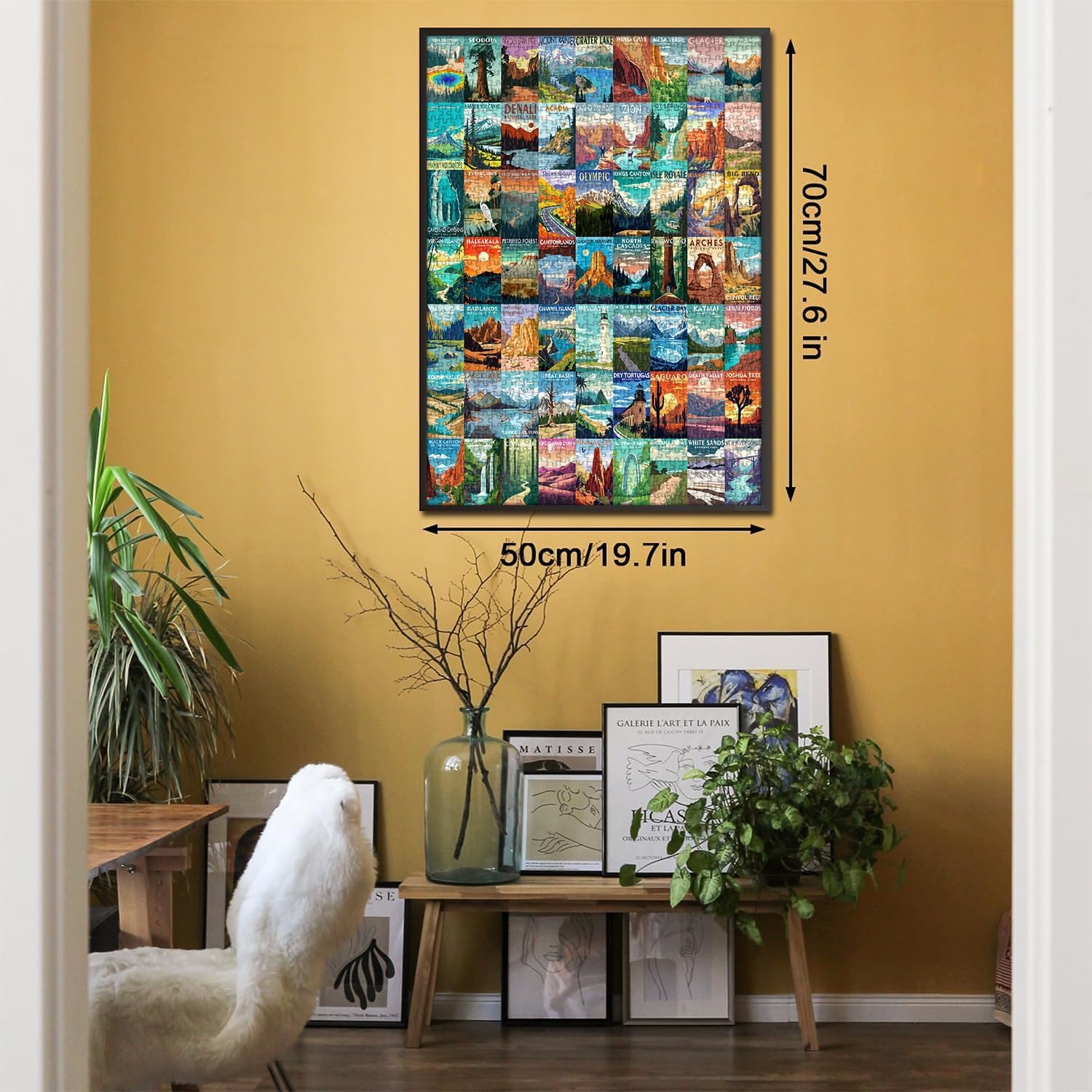
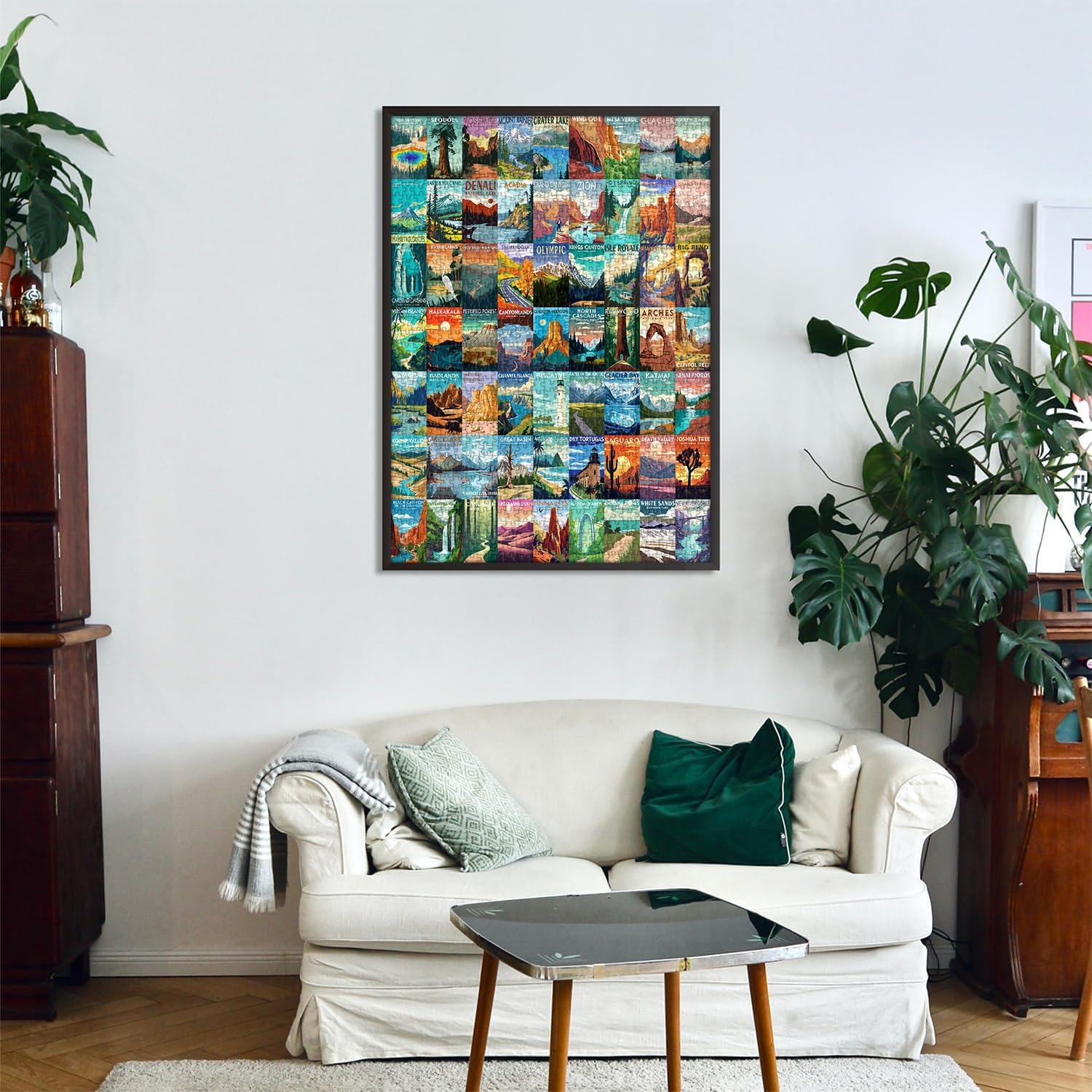
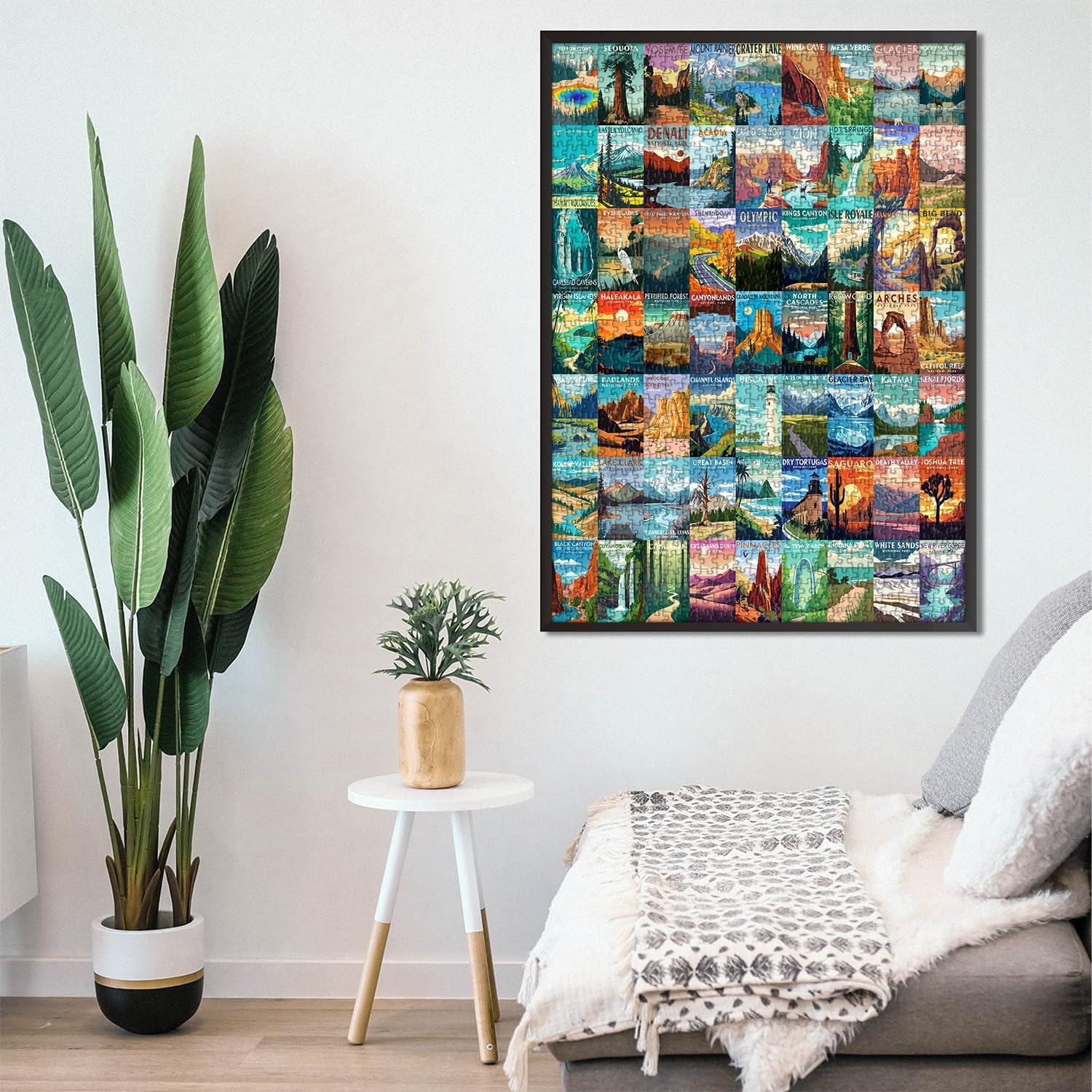
This Jigsaw Puzzle 1000 Piece brings that format together with US national parks artwork. It features 63 parks in one rectangular design, with a double-sided poster included for reference. The finished puzzle measures 70 x 50 cm.
The main buying questions are practical. Do you like the picture? Can you leave the project somewhere safe between sessions? Does a 1000 piece build sound enjoyable? Those answers matter more than trying to predict how quickly you will finish.
Get to know the picture before choosing
The image is a large part of any jigsaw experience. You will spend time looking closely at it, checking small details and returning to the same sections as the pieces come together. It makes sense to choose a subject you want to keep looking at.
This national parks jigsaw puzzle features 63 US parks, including Zion, Yellowstone and Yosemite. It is a multi-park design rather than a picture devoted to just one destination. If you enjoy travel imagery or nature subjects, that is worth considering.
Look through the product images before ordering. Pay attention to the layout, not just the theme. Someone who likes a single broad landscape may prefer a different style from someone drawn to a design with several park images. Neither choice is better in general. It comes down to what you enjoy assembling.
What a 1000 piece build asks of you
Piece count is a useful starting point, but it does not tell you exactly how long a puzzle will take. Your experience, the image and your way of sorting all affect the process. There is no stated completion time for this scenic 1000 piece puzzle.
The listed skill level is all, and the stated age group is adult. That does not mean every adult will want the same level of commitment. If you usually choose smaller puzzles, consider whether you are ready to keep a larger project out over several sessions.
You do not need to set a deadline. A useful approach is to choose a small task each time you sit down, such as finding border pieces or working on a recognisable section. Progress can be a few correct joins rather than a whole finished area.
Measure your space first
The completed puzzle measures 70 x 50 cm. That is the space occupied by the assembled picture, not the total working area you will want. Loose pieces, the box and the poster will need room too.
Measure your chosen surface before opening the box. A table that just fits the finished rectangle may leave little space for sorting. If the table is also used for meals or work, think about where the unfinished puzzle will go when that space is needed.
A separate board or puzzle mat may help with your setup, but neither is listed as included. If you plan to buy one, check its usable area against the finished dimensions. Do not assume that every accessory described as suitable for 1000 pieces has the same measurements.
Use the included poster as a working reference
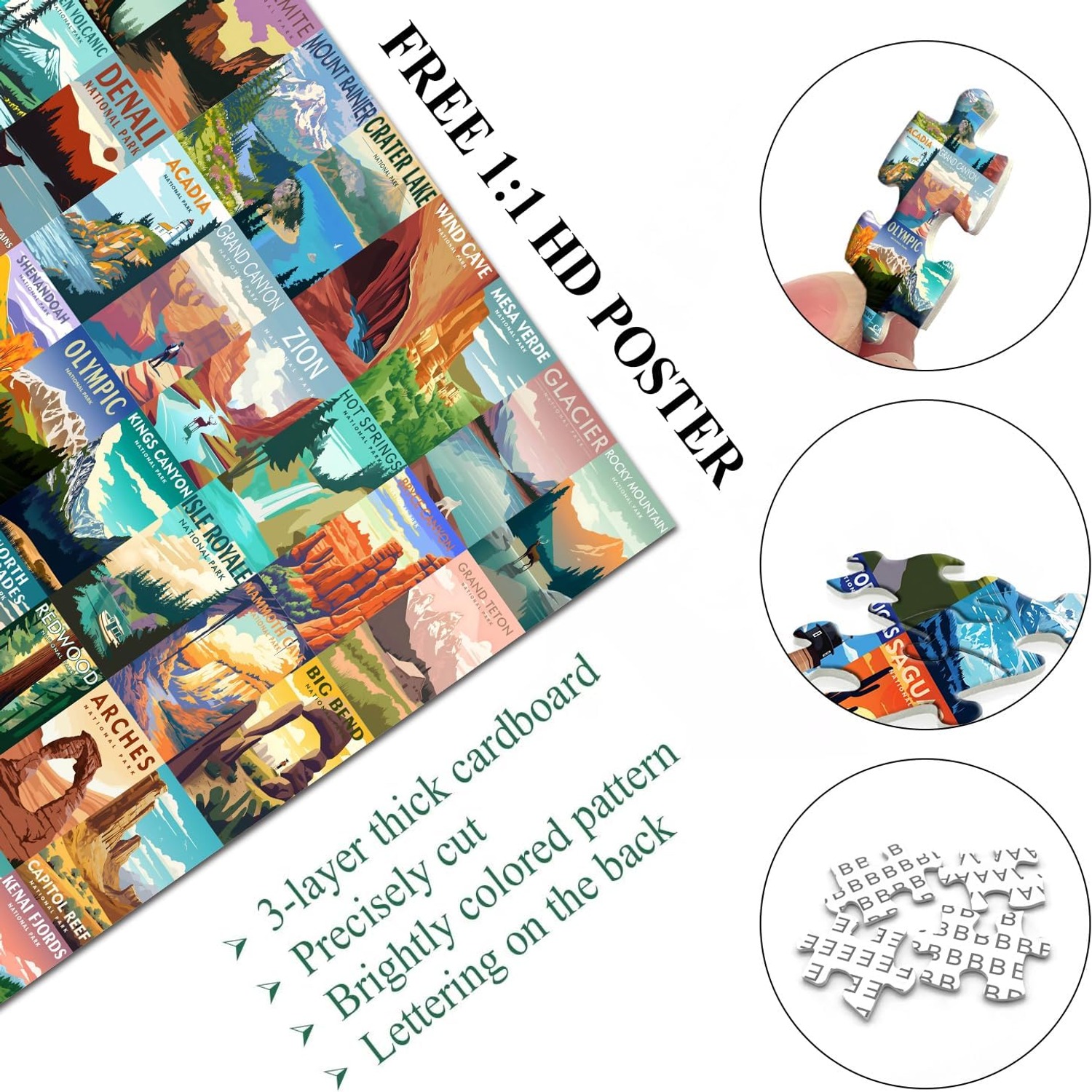
A puzzle with reference poster gives you another place to check the artwork while you work. Here, the poster is double-sided. The front shows the image used for assembly, while the back shows a US national parks map.
Keep the artwork side visible during the build. When a piece seems familiar but you cannot place it, compare its details with a small area of the poster. Looking for a specific feature is often more useful than scanning the whole image again.
The map on the reverse is separate from that assembly reference. You can turn the poster over to view it, then return to the artwork when needed. Poster dimensions are not stated, so allow some flexible space for it rather than planning around a particular size.
A simple way to begin
Start with a clean, dry surface and take a moment to check the box for loose pieces. Turn the pieces face up where possible. This gives you a clearer view of the artwork before you begin looking for joins.
Separating edge pieces can help you establish the outline. You can also group pieces by visible colours, patterns or details. Keep those groups loose at first. A piece that seems to belong in one area may make more sense somewhere else once the picture develops.
Avoid forcing a join because the colour looks right. Compare the shape and surrounding image as well. If the fit is uncertain, set the piece aside and return to it later. Keeping doubtful joins out of the main build can make the next session less confusing.
Who this puzzle may suit
This nature puzzle for adults may appeal to someone who enjoys national parks imagery and a hands-on project. It is listed for indoor use and one player, making it an option for a person who likes assembling a puzzle at their own pace.
The subject can also guide a gift choice. Think about whether the recipient enjoys travel-themed pictures, not only whether they have visited a particular park. Familiarity with the destinations is not listed as a requirement for assembly.
Practical habits matter too. Someone with a regular puzzle space may welcome a 1000 piece project. Someone who needs to clear every surface each evening may find the setup less convenient. The most suitable choice fits both the person's interests and the room they have available.
Materials and handling
The pieces are described as three-layer cardboard. The listed item weight is 640 g, and the completed shape is rectangular. Individual piece dimensions are not provided, so the finished size should not be used to guess the exact size of each piece.
Handle the pieces gently and keep them away from moisture. A dry surface is important for both the cardboard and the paper poster. Avoid placing drinks where a spill could reach the work area.
If loose dust needs removing, use a soft, dry cloth with a light touch. Do not wash or soak the pieces. When separating completed sections, work carefully rather than pulling hard on a large joined area. The aim is to keep the pieces in usable condition for another build.
Plan for pauses and packing away
Before you begin, decide what will happen when you stop. A puzzle left on a shared table may be disturbed even during a short break. Choose a spot where the pieces can stay together and where the poster will not be misplaced.
If you use the floor, as listed in the product details, make sure the area is clean, dry and level. Also consider foot traffic and whether the space will be needed later. A floor layout takes up more than the finished rectangle once sorting groups are spread around it.
When packing away, check beneath the work surface and around nearby furniture for loose pieces. Store the poster with the puzzle in the original box. Keeping everything together is a simple habit that helps when you return to the project.
Gifting, delivery and returns
A travel themed puzzle can be a thoughtful gift when the subject and piece count suit the recipient. This one includes the puzzle and double-sided poster in a box. A frame, glue and sorting accessories are not listed as included, so plan those separately if wanted.
Delivery timing is not specified by the maker. If you are buying for a birthday or another fixed date, check the delivery information available when ordering. Avoid making plans based on an assumed arrival time.
The stated returns period is 14 days from delivery. Returns must be unused, complete and in the original packaging. If you are unsure whether to keep it, review those conditions before opening and starting the puzzle.
The short version
Choose this rectangular jigsaw puzzle if you want a 1000 piece adult project featuring US national parks. Its completed size is 70 x 50 cm, and the included poster provides both an artwork reference and a national parks map on the reverse.
Check the images, measure your work area and think about storage between sessions. If those details suit your routine, you have a clear starting point for a piece-by-piece indoor project without needing to rush to the finish.