
The complete guide
Choosing a Wooden Block Puzzle for Hands-On Play
A puzzle can be a useful change of pace when you want something to do with your hands rather than another activity on a screen. Yet choosing one is not always simple. Some depend on a single finished picture. Others need lengthy rules or careful setup before anyone can begin.
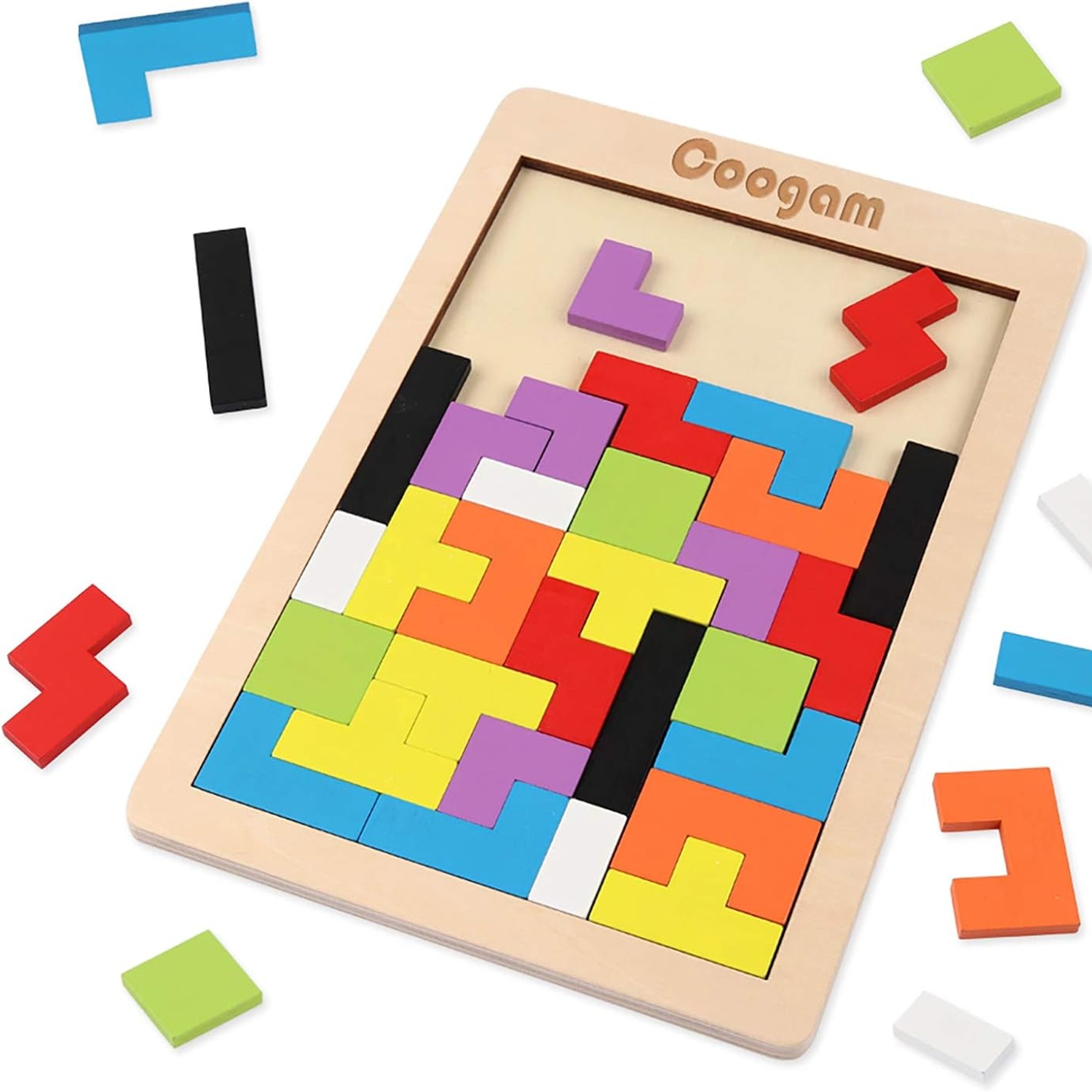
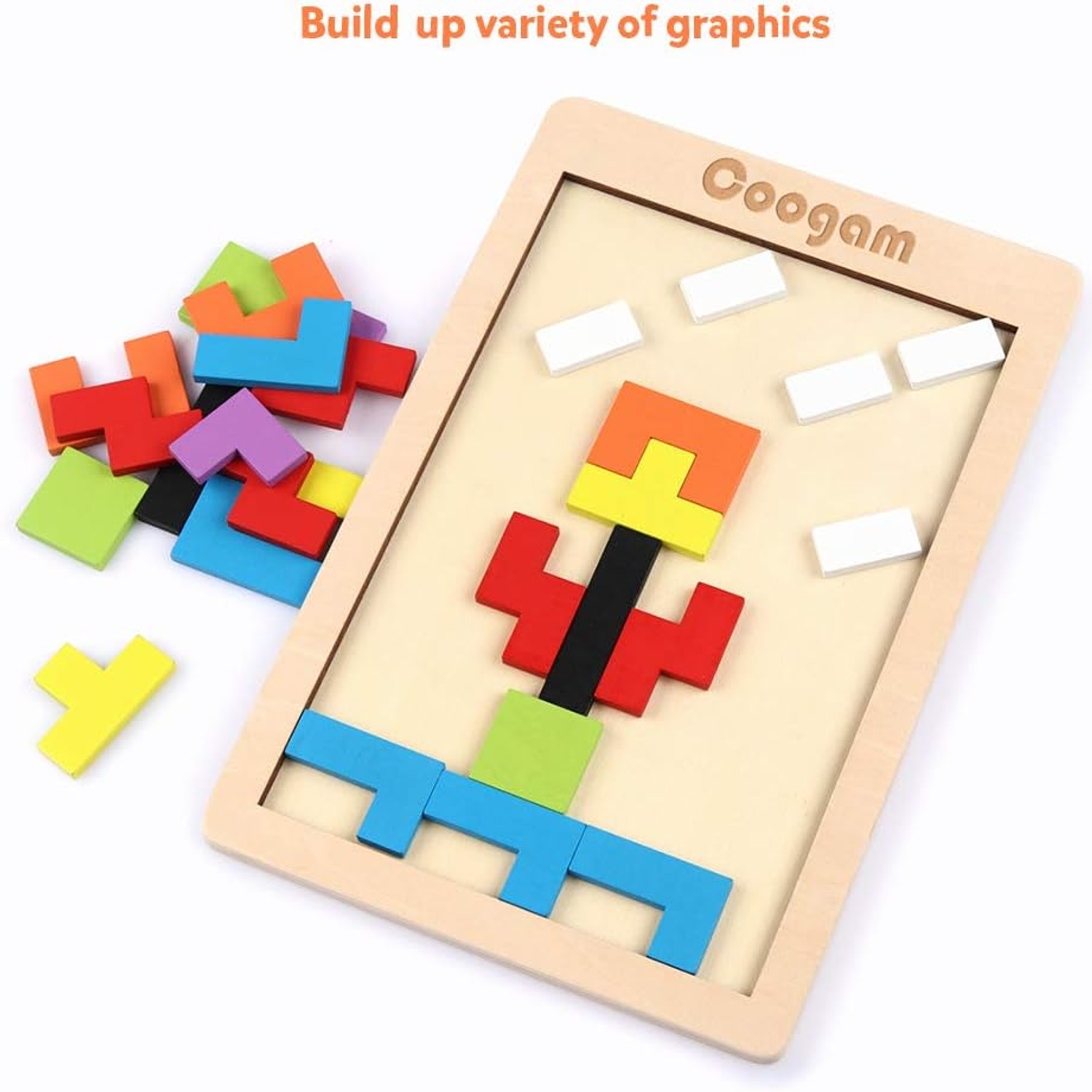
The Wooden Brain Teaser Puzzle Set takes a shape-based approach. It contains 40 colourful pieces and a tray, with manual play and no assembly required. You can work within the tray or move pieces onto a clear surface to try a picture of your own.
The main buying question is whether that kind of open-ended play suits the person receiving it. Here is what to look at, including a few details worth checking before you order.
Understand the kind of puzzle you are buying
This is described as a geometric wooden block puzzle. The product details also use the term jigsaw, but that should not lead you to expect a printed landscape or a picture cut into familiar interlocking pieces.
Instead, think about turning shapes, comparing their edges and trying them beside one another. The tray provides a boundary for an arrangement. Outside it, the pieces can become parts of a picture or a pattern.
That difference matters when comparing brain teaser puzzles. Someone who enjoys a clear picture to copy may want more guidance. Someone who likes experimenting may prefer a set that leaves room for their own ideas. Neither approach is better. They simply offer different ways to spend time.
What the 40-piece set includes
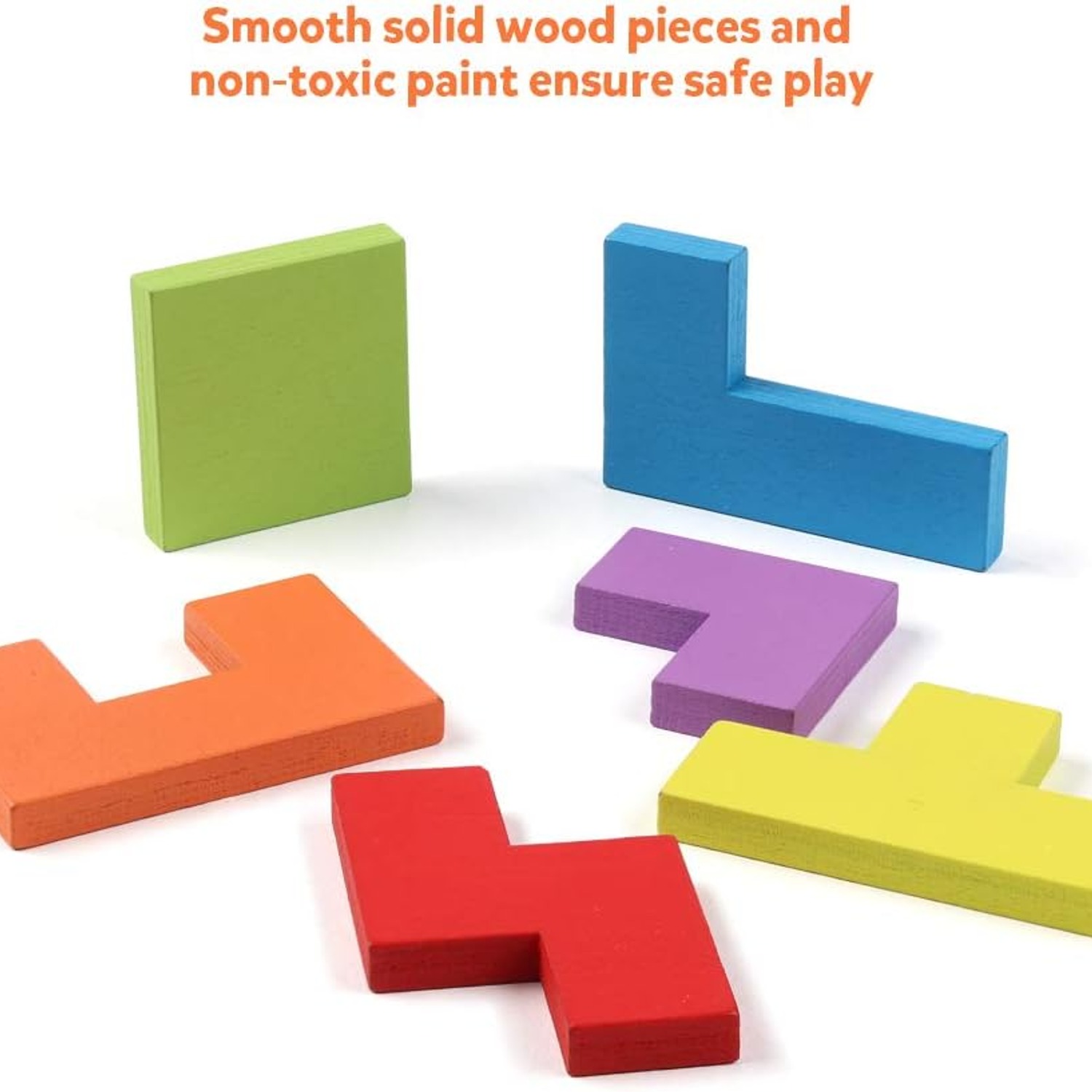
The confirmed contents are 40 puzzle pieces and a tray in a single set. Basswood is listed as the material, and the colours are described as various colours. There is no exact breakdown of shapes or colours.
Directions are noted as included, but the maker does not explain their format. It also does not confirm a particular number of pattern cards, diagrams or completed solutions. If printed examples are important to you, check that detail before buying.
A storage bag and securing lid are not specified either. The tray gives the activity a defined space, but it should not be treated as a closed travel case. Think about where you will keep the pieces once play is finished.
How to begin without making it complicated
Start by spreading out the pieces where you can see their outlines. Choose a few and try placing them beside one another. Turn a piece before rejecting it, since a different orientation may change how it fits.
You do not need to fill the tray on the first attempt. A smaller arrangement can be a more inviting starting point, especially for someone unfamiliar with a wooden block puzzle. Add more pieces when you want a longer challenge.
Another option is to begin with colour. Gather pieces that look alike, then compare their shapes. Or ignore colour and look only at edges. These are suggested ways to play, rather than rules you must follow. The activity can change from one session to the next.
Tray puzzles and open-ended pictures
The tray and an open surface offer different limits. Within the tray, you have a fixed outline to work around. A piece that seems useful in one corner may leave an awkward gap elsewhere, prompting another attempt.
On an open surface, you can decide what the outline should be. Suggested picture ideas in the source include a tree, flower, umbrella and aeroplane. You could also make an abstract design without trying to name it.
A wooden mosaic puzzle approach may appeal to someone who likes arranging colours. A shape-fitting approach may suit someone who wants a more defined task. With this set, you can try both, although no particular number of possible solutions is confirmed.
Who may enjoy this style of play
The listed skill level is beginner. That makes it a reasonable option to consider for someone new to this type of puzzle, but it does not tell you exactly how easy every arrangement will feel.
An adult who enjoys hands-on patterns may find it interesting too. The source mentions adult use, though this is not evidence of any health or relaxation benefit. Choose it for the activity itself rather than an expected result.
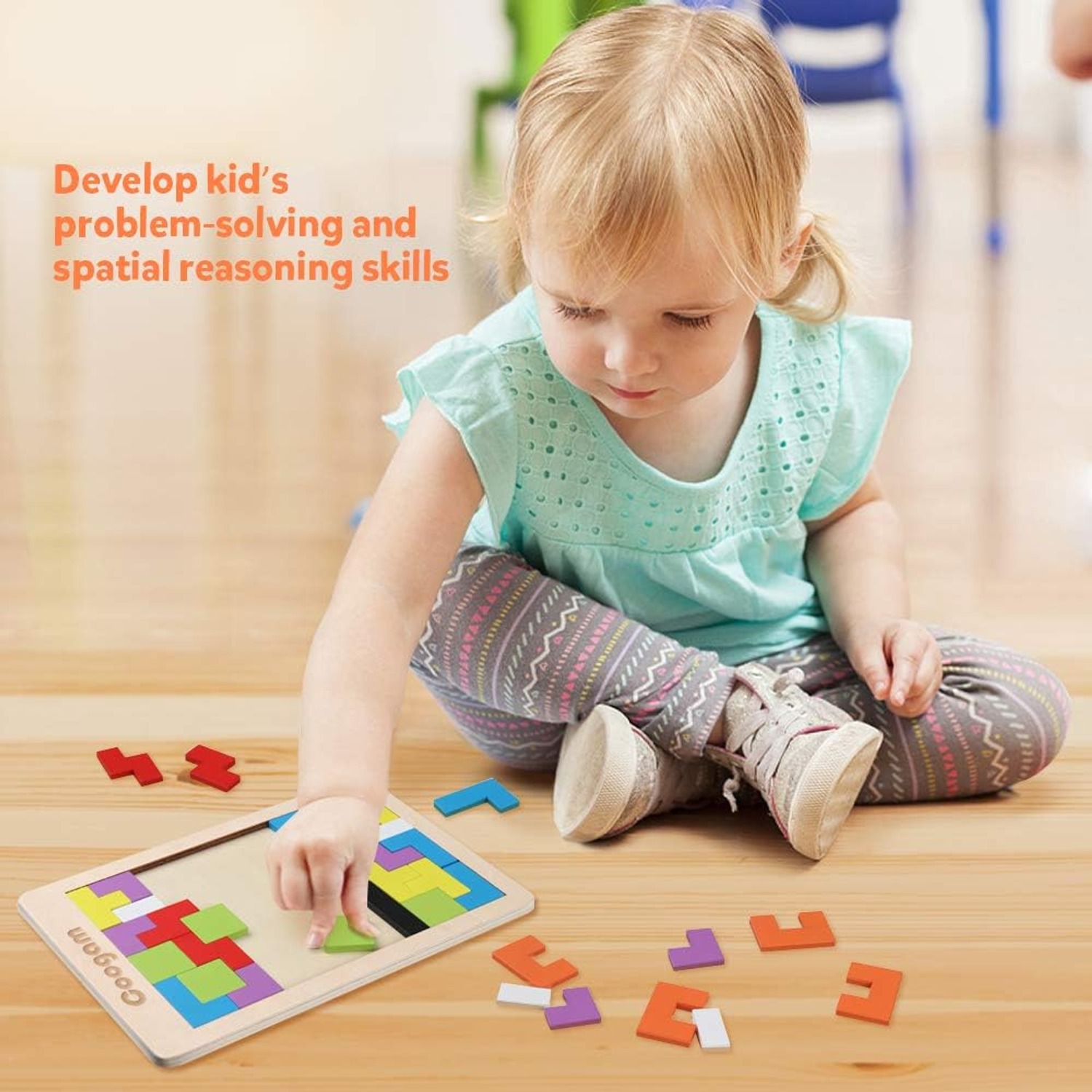
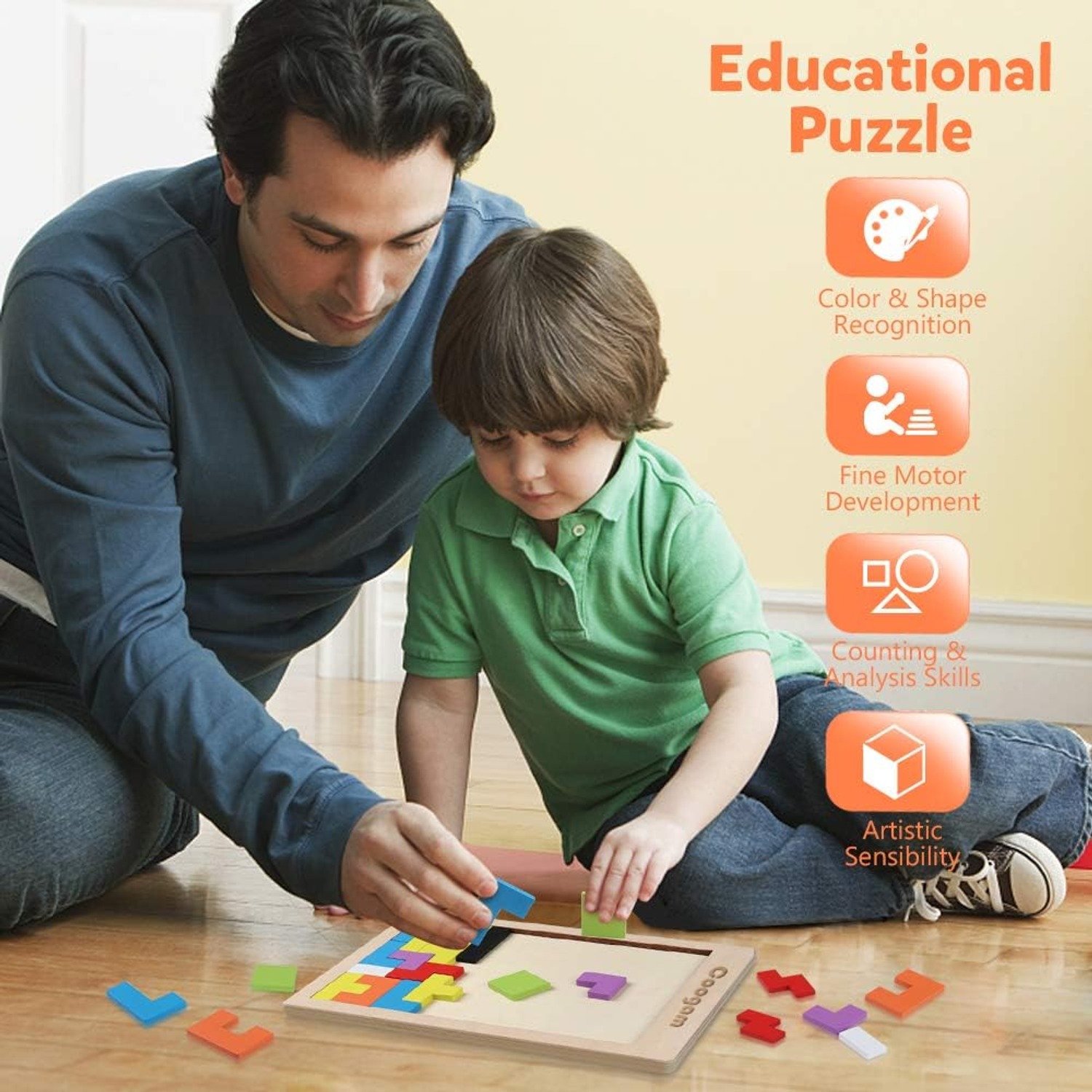
For shared play, you could take turns placing a piece or each suggest the next move. The maker's description does not provide a reliable player count or formal team rules. Treat a family puzzle activity as an informal way of sharing one set, not as a boxed multiplayer contest.
Check age suitability with care
The age information needs closer attention than the general beginner label. The maker's description uses broad baby and kids categories but does not state a precise minimum age. Individual piece measurements are also missing.
Those gaps mean you should not assume this is suitable for a baby or a child who puts objects in their mouth. Before use, check the actual packaging guidance and assess the pieces for the intended user. Adult supervision does not replace a suitable age rating.
If you are buying a kids puzzle tray as a gift, ask the parent or carer first. A clear answer about suitability is more useful than choosing by colour or theme alone. If the information remains unclear, choose a product with more definite age guidance.
Read the dimensions before planning storage
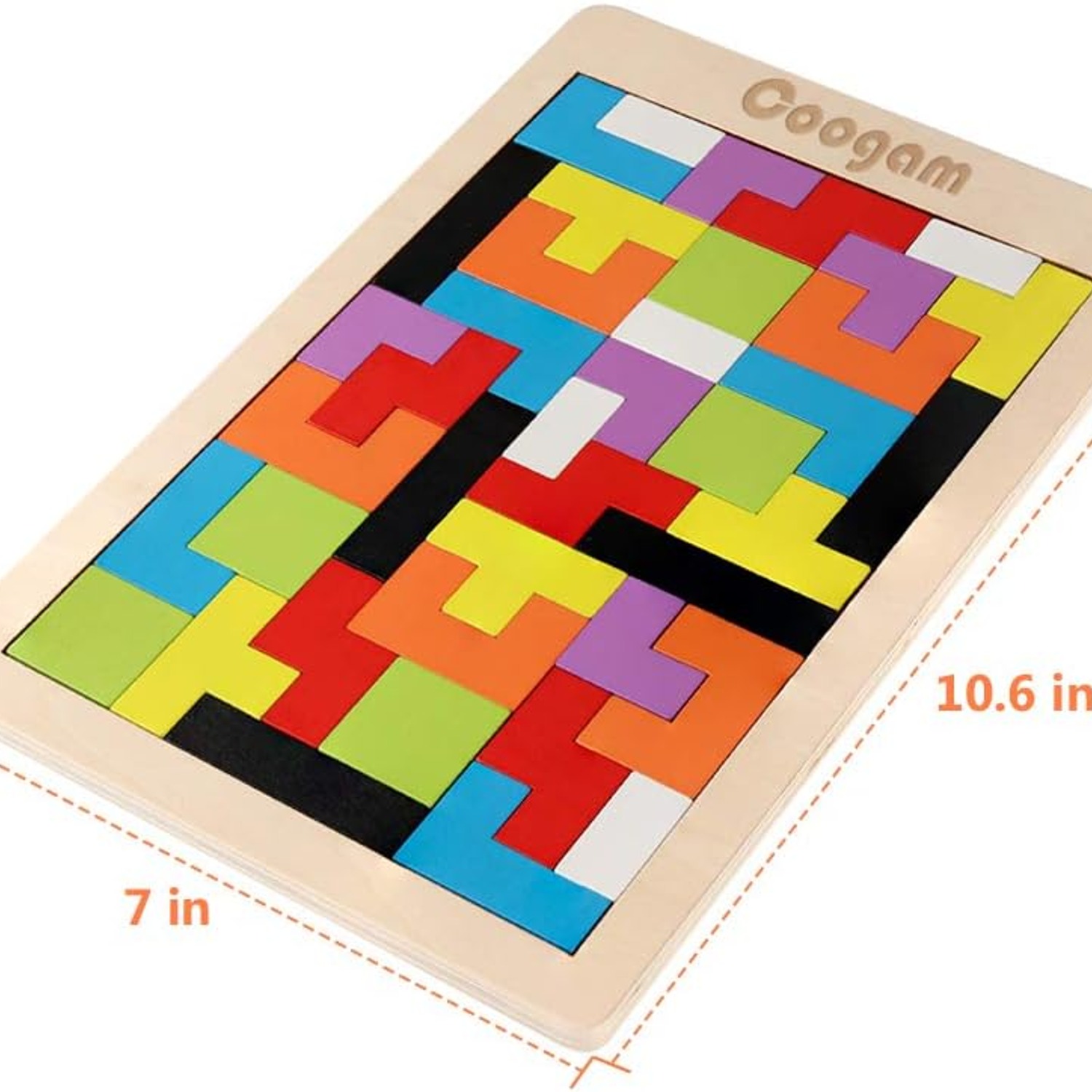
The recorded dimensions are 17.8 × 26.9 × 0.1 cm, and the listed weight is 226 g. However, other size descriptions in the source differ, including the stated thickness. That is worth checking if you need a precise fit.
Do not use the recorded height to judge how easy the pieces will be to pick up. It does not establish individual block dimensions. Ask for confirmation if grip size or thickness is central to your choice.
For storage, allow space for the tray and a way to contain loose pieces. For play, leave extra room beside the tray so you can spread them out. A crowded surface makes it harder to see what is available and easier to overlook a piece when tidying up.
What to expect from the wood and colours
The specifications identify basswood and various colours. That gives you the basic material information, but it does not provide a detailed account of the finish or paint formulation.
The maker gives no named safety certification in the maker's description. Avoid treating the word wooden as proof of a particular standard, finish or age suitability. If you need evidence of a specific requirement, request that information before purchasing.
The appeal here is straightforward. You have coloured wooden pieces to move, compare and arrange by hand. Choose the colourful wooden puzzle because that form of play suits you, rather than relying on broad claims about what wooden toys should do.
Using the set away from home
The maker describes the puzzle as portable, with a weight of 226 g. That may make it worth considering when planning an indoor activity away from home, but loose pieces still need care.
Before treating it as a travel puzzle set, decide how you will carry it. A lid or fitted pouch is not confirmed. Choose a separate suitable container if needed, and keep the tray with the pieces.
At your destination, look for a dry, clear surface. Count the pieces before leaving, rather than discovering a missing block at the next session. The product is listed for indoor use, so it is not the right choice for wet ground or exposed outdoor play.
Care and everyday storage
Simple care is the sensible starting point for basswood puzzle blocks. Wipe them gently with a soft, dry cloth and avoid soaking them. Follow any care directions supplied with the actual set.
Keep the pieces indoors in a dry place. If something spills nearby, move the puzzle away from the moisture. Check for damage before the next use and set aside any damaged piece.
Tidying up can be part of the routine. Gather the pieces, count all 40 and return them to their storage place. This is especially useful after several people have shared the activity or used pieces away from the tray.
Buying as a gift and checking the terms
A wooden puzzle gift makes most sense when the recipient already enjoys shapes, patterns or hands-on activities. Check whether they prefer free-form play or puzzles with a clearly pictured answer.
For a child, settle the age question first. For any recipient, check the delivery information if the gift is needed by a certain date. The maker does not give a delivery timeframe or promise gift packaging.
Returns are available within 14 days of delivery when the item is unused, complete and in its original packaging. Keep those conditions in mind before opening it for a trial. If you are unsure about suitability, resolve the unanswered questions before purchase.
The short version
This set offers 40 colourful basswood pieces, an included tray and manual indoor play. It is worth considering for someone who enjoys changing arrangements and trying their own pictures.
Check the minimum age guidance and confirm dimensions if they matter to your decision. With those points settled, the choice is about a simple preference: whether you want a puzzle you can take apart, rethink and arrange again.